Skip to content
FlightCatcherPro
PhotosAircraft typesBlog
  1. Home
  2. Aircraft types

Browse aircraft types

Every aircraft family spotted by the FlightCatcherPro community, biggest hubs first. Pick a type to see real public sightings.
← Back to FlightCatcherPro

© 2026 FlightCatcherPro. Plane spotting game · Aircraft identification · Aviation app
Copyright © 2026 FlightCatcherPro. All rights reserved.
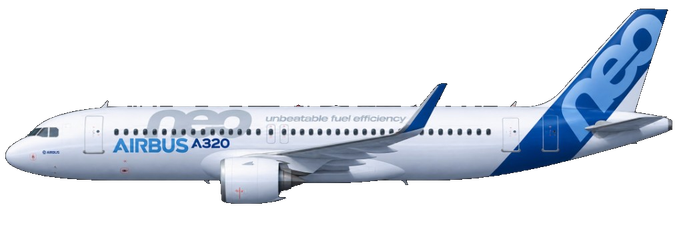
Airbus A320

1,464 aircraft

The best-selling jet line in history and the family that brought fly-by-wire sidesticks to the masses. Decades of stretches and engine generations share the same rounded nose you'll see at almost every major airport.
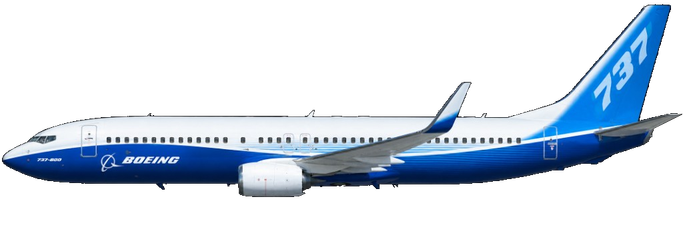
Boeing 737

1,339 aircraft

The narrowbody family that defines short-haul aviation across generations. From early classics to today's latest lines, the low-slung engines and six-abreast cabin remain unmistakable worldwide.
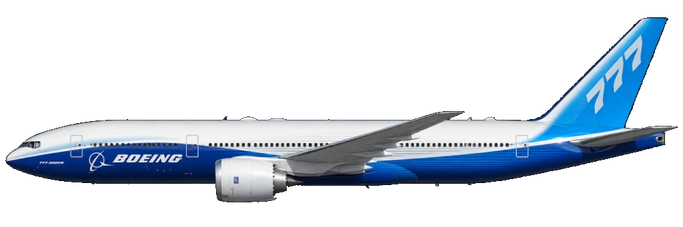
Boeing 777

658 aircraft

The long-range twin family that pushed what two engines could do. Generations span early models to today's largest twins, all sharing that ramp-dominating widebody presence.
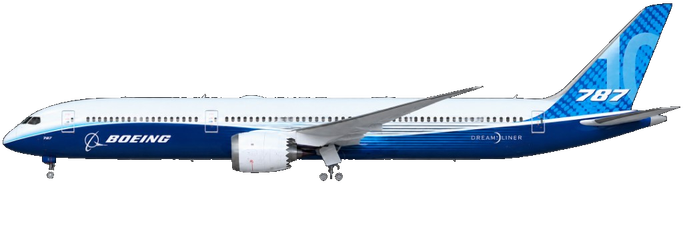
Boeing 787

461 aircraft

Boeing's composite Dreamliner family with bigger windows and sculpted engine nacelles. A modern long-haul twin you'll encounter on more routes every year as fleets grow.
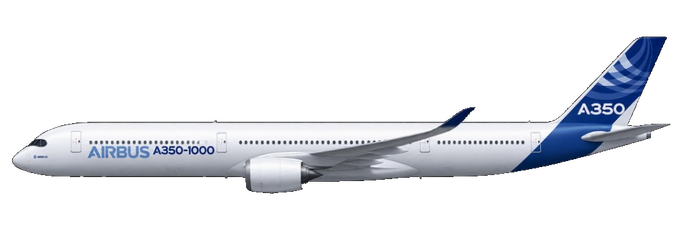
Airbus A350

352 aircraft

Airbus's modern long-haul family with composite construction and the bandit-mask cockpit. Still spreading to more routes each year as airlines refresh widebody fleets.
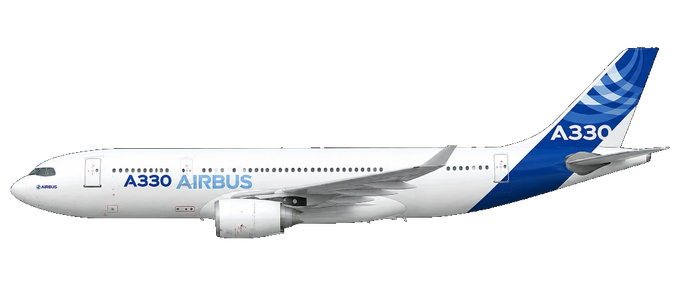
Airbus A330

323 aircraft

Airbus's twin widebody family for regional hops through long haul, evolving through several generations while keeping the same twin-engine silhouette. A global workhorse still in production.
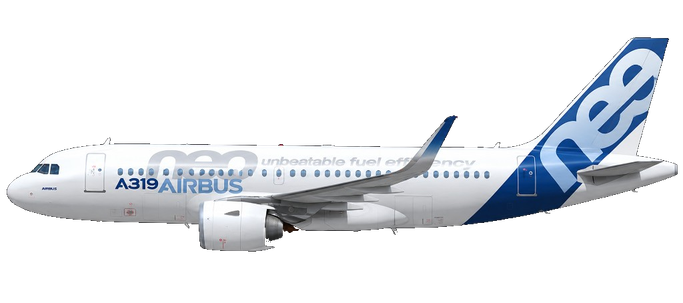
Airbus A319

211 aircraft

The compact Airbus narrowbody family built for high-frequency and slot-limited routes. Same classic cockpit windows and wing as its larger siblings, with a noticeably shorter fuselage behind the wing.
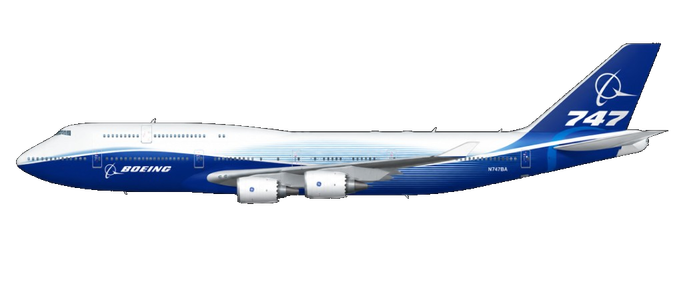
Boeing 747

206 aircraft

The jumbo family that invented mass wide-body travel: the hump, four engines, and decades of passenger and freighter variants. Passenger numbers shrink, but every sighting still feels royal.
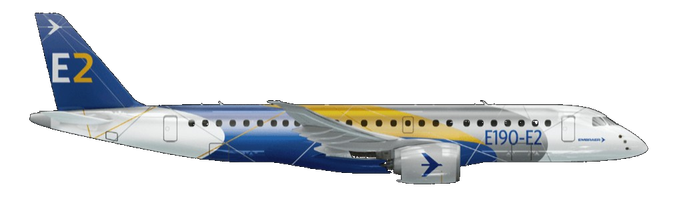
Embraer E190/E195

191 aircraft

The larger Embraer E-Jet family bridging regional and narrowbody territory. Wider cabin and roughly 100 seats across variants built for upgauging without going full narrowbody.
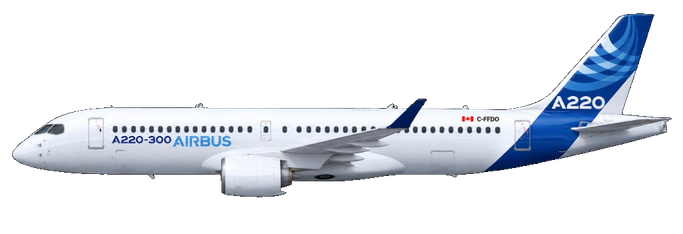
Airbus A220

175 aircraft

A family of small narrowbodies that began as Bombardier's C Series and later joined Airbus. Clean-sheet design across the line, known for oversized windows and quiet geared turbofans on regional and mainline routes.
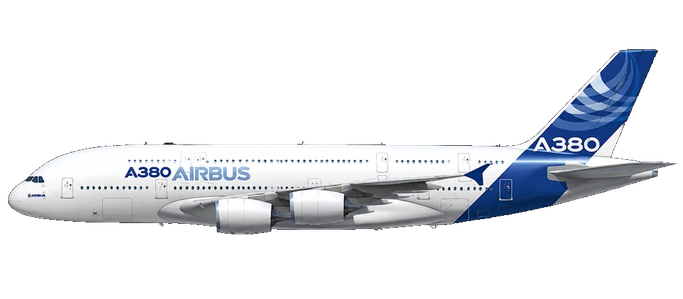
Airbus A380

148 aircraft

The superjumbo family: full double-decker, wingspan that reshaped airport gates, and a presence that stops traffic on the ramp. Fewer fly each year, so every sighting still feels like an event.
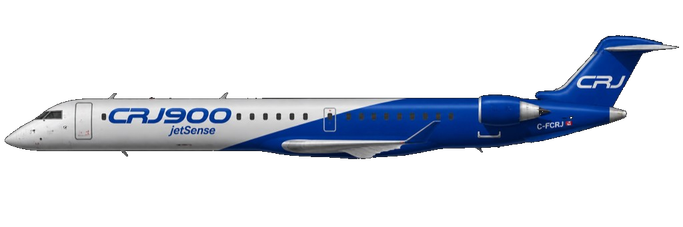
Bombardier CRJ

121 aircraft

Canada's regional jet family that popularized 50–100 seat jets with a T-tail and rear-mounted engines. A generation of regional flying, now slowly retiring but still familiar at US hubs.
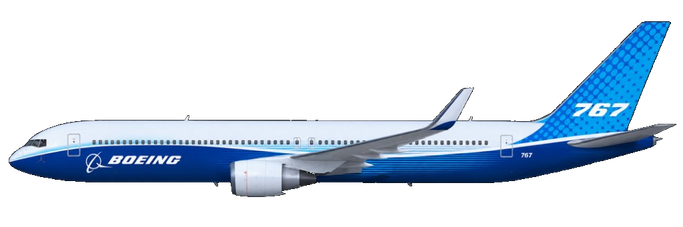
Boeing 767

118 aircraft

Boeing's first widebody twin family, still hauling passengers and freight decades after its debut. Mid-size proportions and wing-mounted engines make it a clean, satisfying ID at any hub.
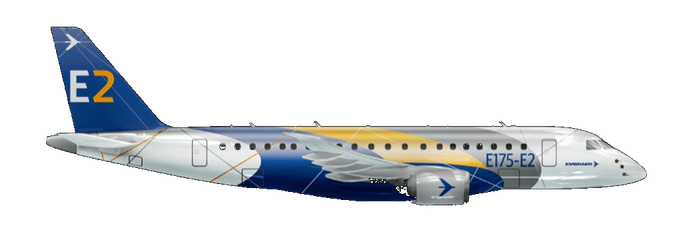
Embraer E170/E175

97 aircraft

Embraer's E-Jet family in the 70–88 seat bracket, with wing-mounted engines and no middle seat. The regional line that looks and feels almost mainline from the fence.
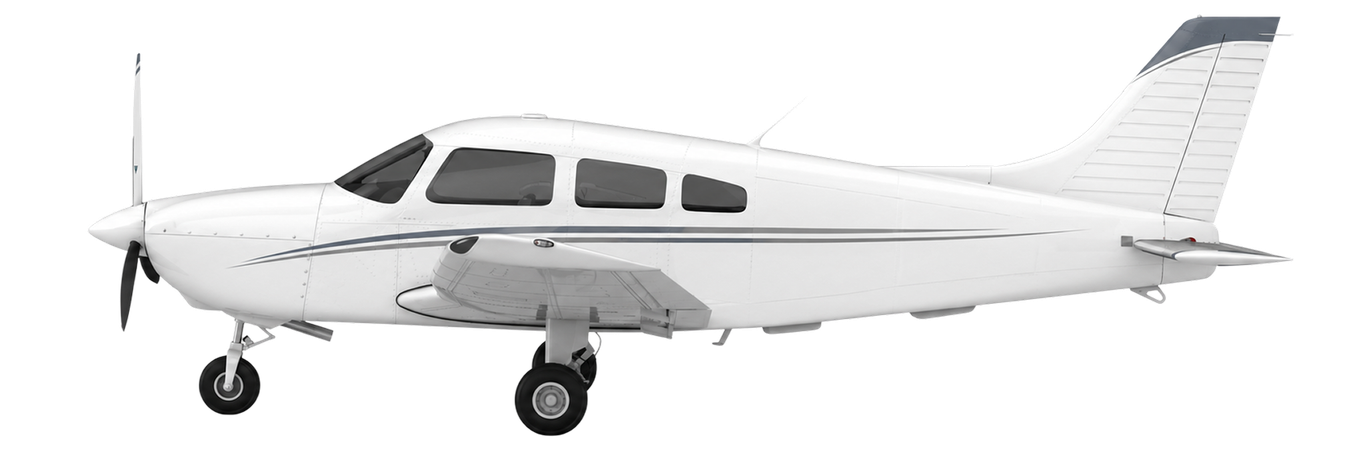
Piper PA-28 Cherokee

63 aircraft

Piper's low-wing trainer and tourer family that taught as many pilots as the Skyhawk. Cherokee through Archer and Arrow share the same simple lines from flight schools to weekend hops.
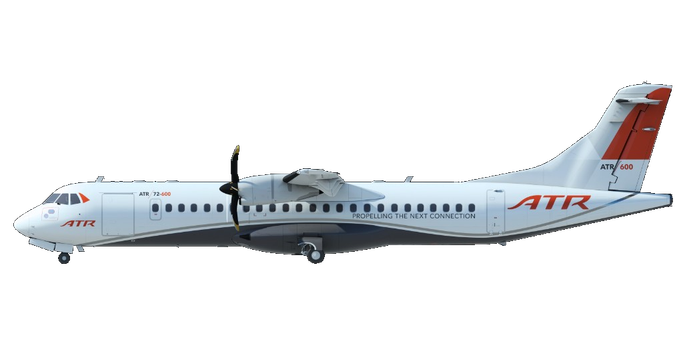
ATR 72

62 aircraft

The stretched ATR turboprop family and the one you'll see most at regional airports. Same high-wing DNA as the 42, with extra fuselage length and the props that define commuter networks.
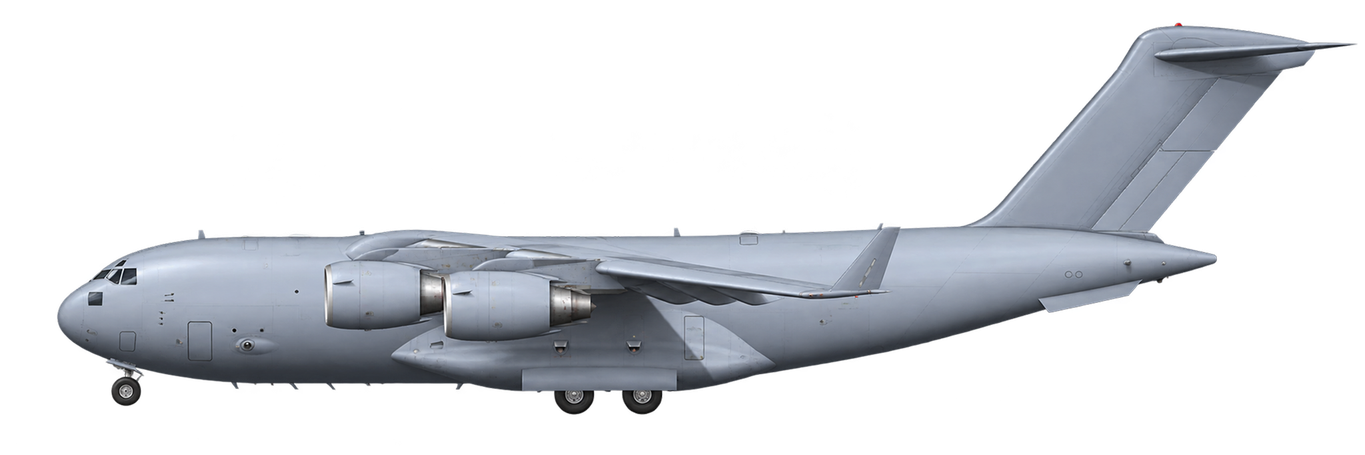
Boeing C-17 Globemaster

50 aircraft

Boeing's strategic airlifter family: high wing, T-tail, and a cargo bay built for outsized loads. A regular at airshows and military fields, unmistakable on short final.
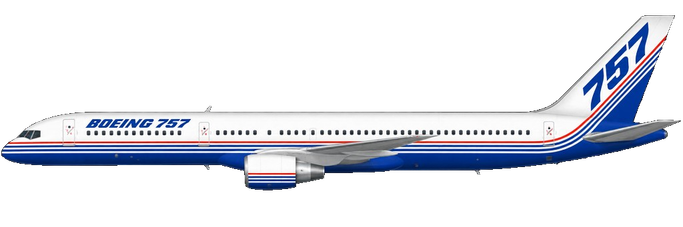
Boeing 757

47 aircraft

Boeing's powerful narrowbody family, built for hot-and-high performance and long legs. Passenger fleets fade, but cargo operators keep the line very much alive on ramps worldwide.
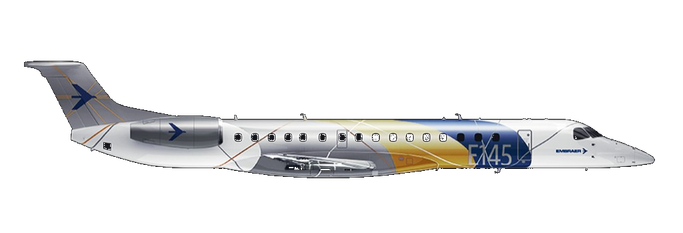
Embraer ERJ (135/140/145)

47 aircraft

Embraer's original regional jet family: long fuselage, tail-mounted engines, and 37–50 seats across the ERJ line. Once dominated US regional fleets and still turns up regularly.
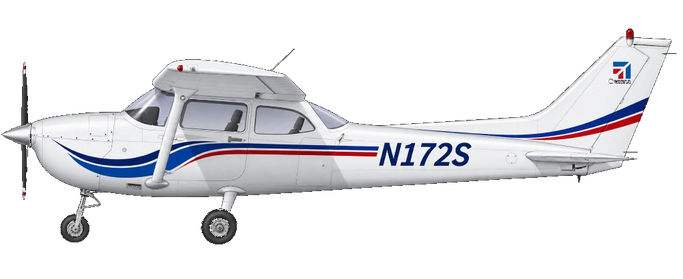
Cessna 172

42 aircraft

The training and private-flying family that taught generations to fly. High-wing, dependable, and produced in numbers nothing else touches—from flight schools to grass strips everywhere.
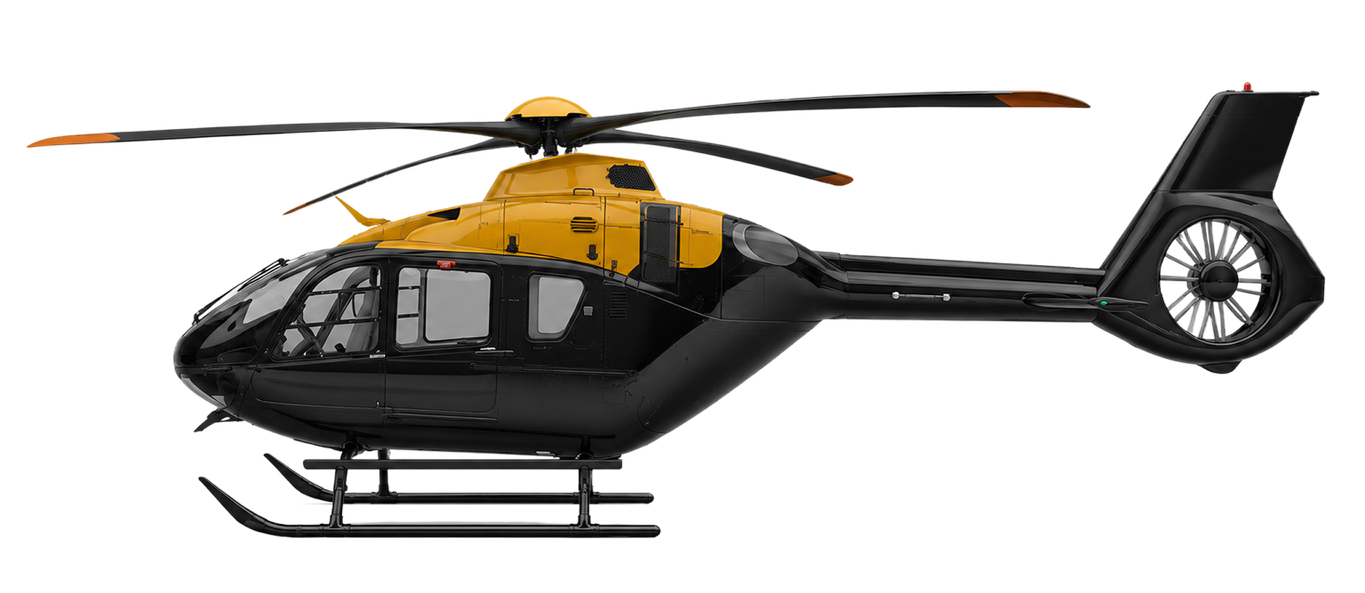
Airbus H135 / H145

41 aircraft

Airbus's light twin helicopter family, the H135 and larger H145. Fenestron tails and a glass cockpit made them the default air-ambulance and police ship across Europe.
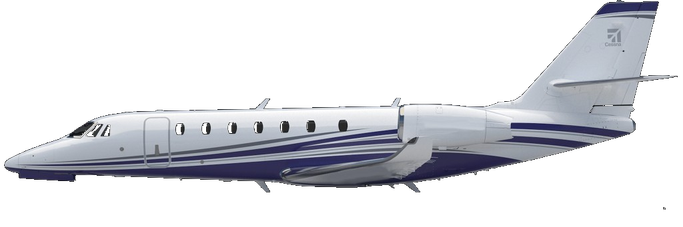
Cessna Citation

37 aircraft

Cessna's business-jet family, from light jets to intercontinental long-rangers. The best-selling bizjet line in history, with sizes for everything from training circuits to ocean crossings.
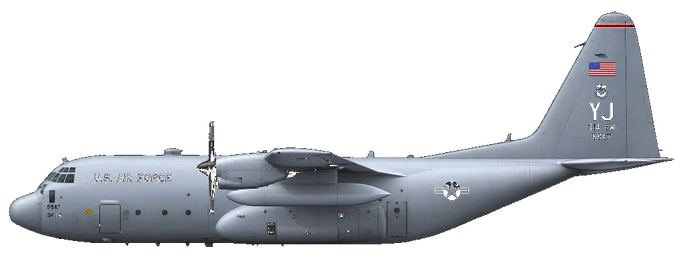
Lockheed C-130 Hercules

35 aircraft

The tactical airlift family that has moved troops and cargo since the 1950s. Four props, rugged flexibility, and a silhouette you'll recognize at military bases worldwide.
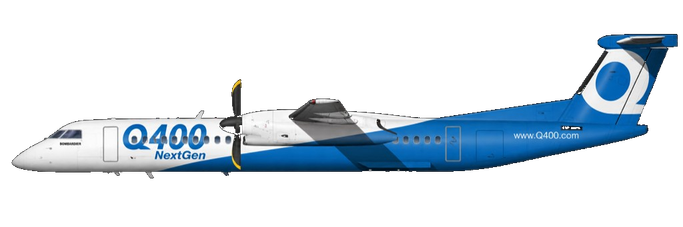
De Havilland Canada Dash 8 / Q400

34 aircraft

De Havilland Canada's Dash 8 turboprop family, from early models through the Q-series. Later variants bring a pointed nose and fast-blurring props—a regional staple on fences worldwide.
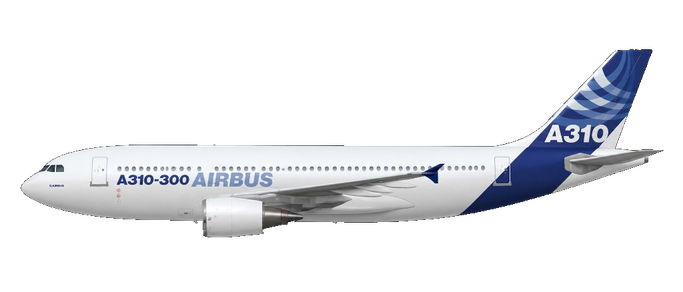
Airbus A300 / A310

31 aircraft

The widebody family that launched Airbus, spanning the original A300 and the shorter A310. A twin-aisle pioneer from the 1970s and 1980s that is increasingly rare but still a thrill to log.
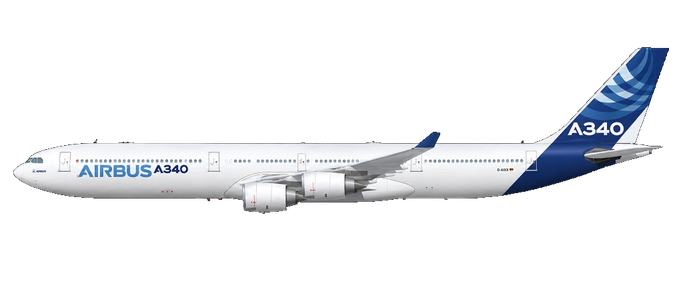
Airbus A340

29 aircraft

Airbus's four-engine widebody family from the era when long overwater routes still favored quads. Built for range and a famously quiet cabin; remaining airframes are becoming rare catches.
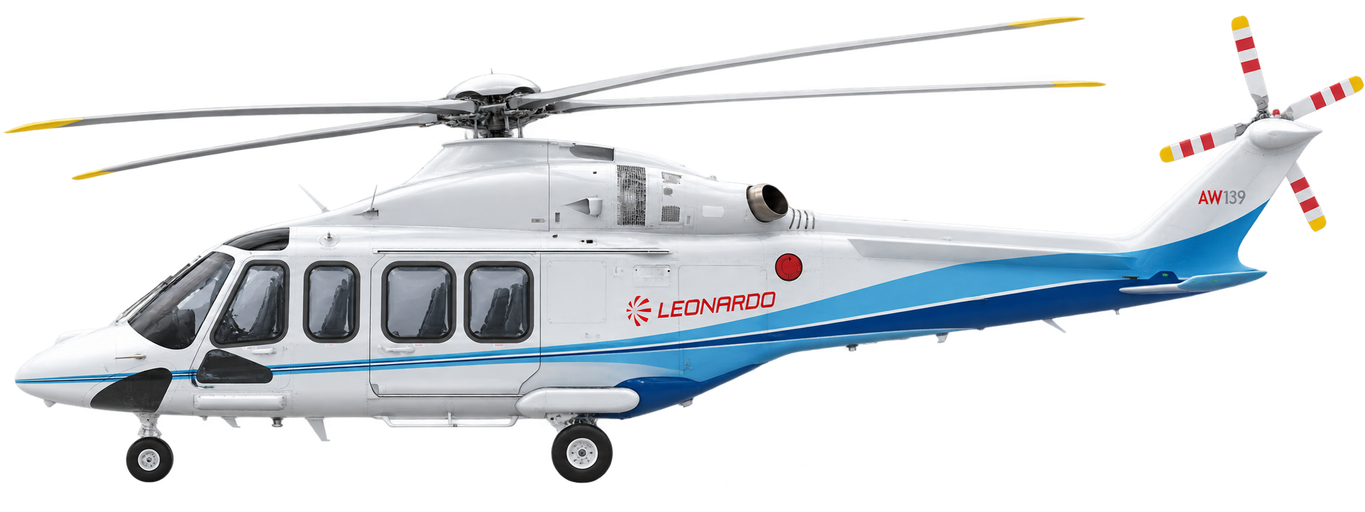
Leonardo AW

28 aircraft

Leonardo's AW helicopter family, from the light AW109 through the medium AW139 and AW169. A sleek Italian line that dominates offshore, EMS, and VIP pads.
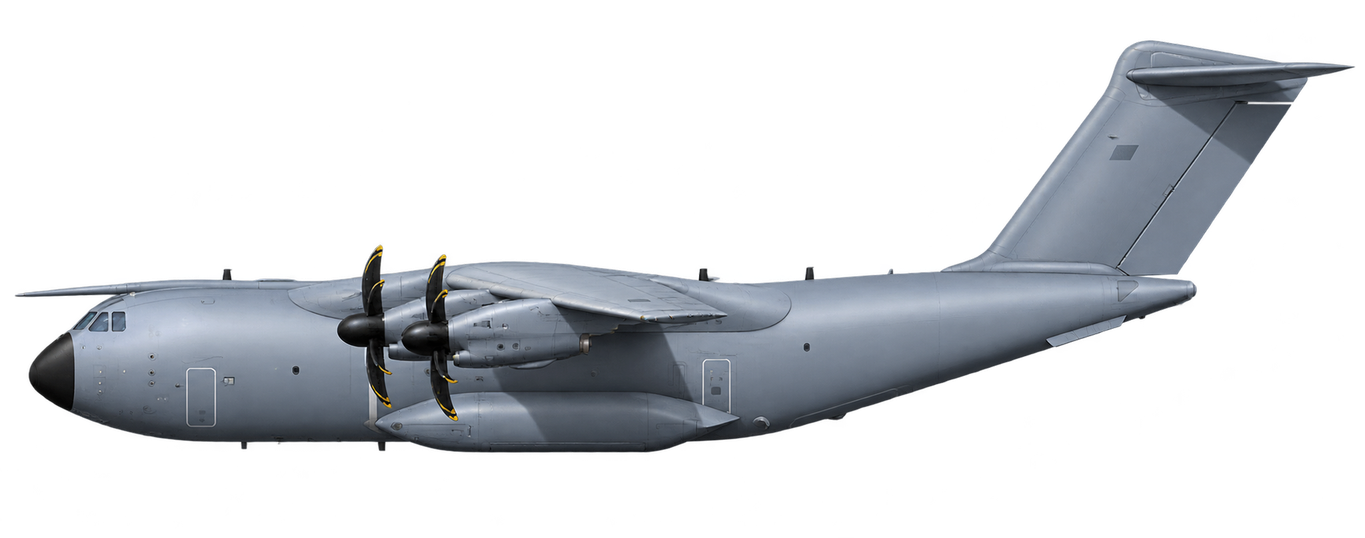
Airbus A400M Atlas

22 aircraft

Airbus's four-prop tactical airlifter family, bridging C-130 lift and jet-transport range. A scimitar-prop silhouette that stands out immediately on European military ramps.
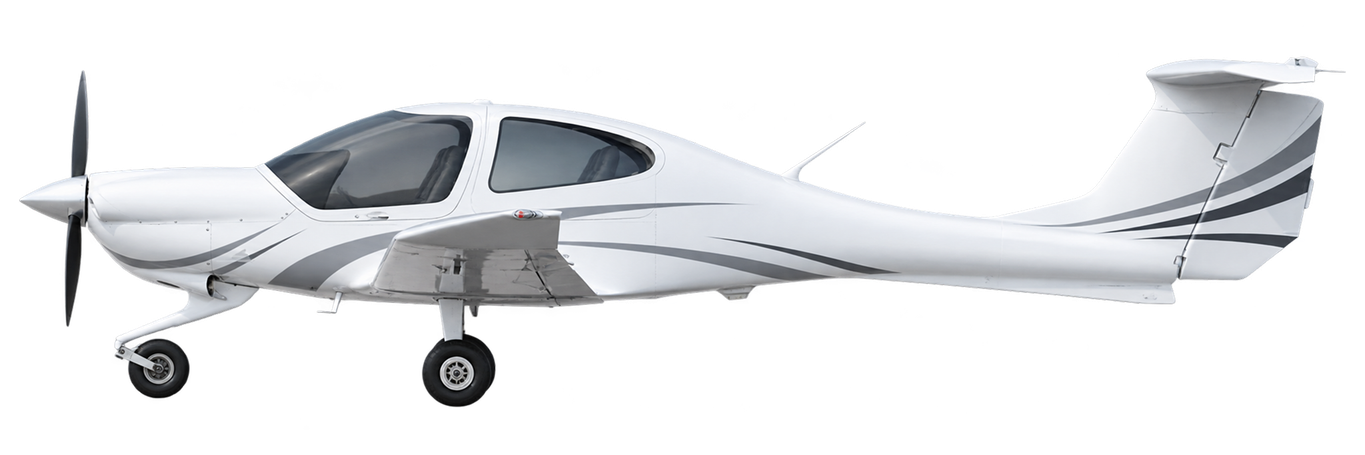
Diamond DA

17 aircraft

Austria's composite trainer family, from the Katana through DA40 singles and DA42/DA62 twins. Glassy canopies, T-tails, and diesel options make them a modern flight-school staple.
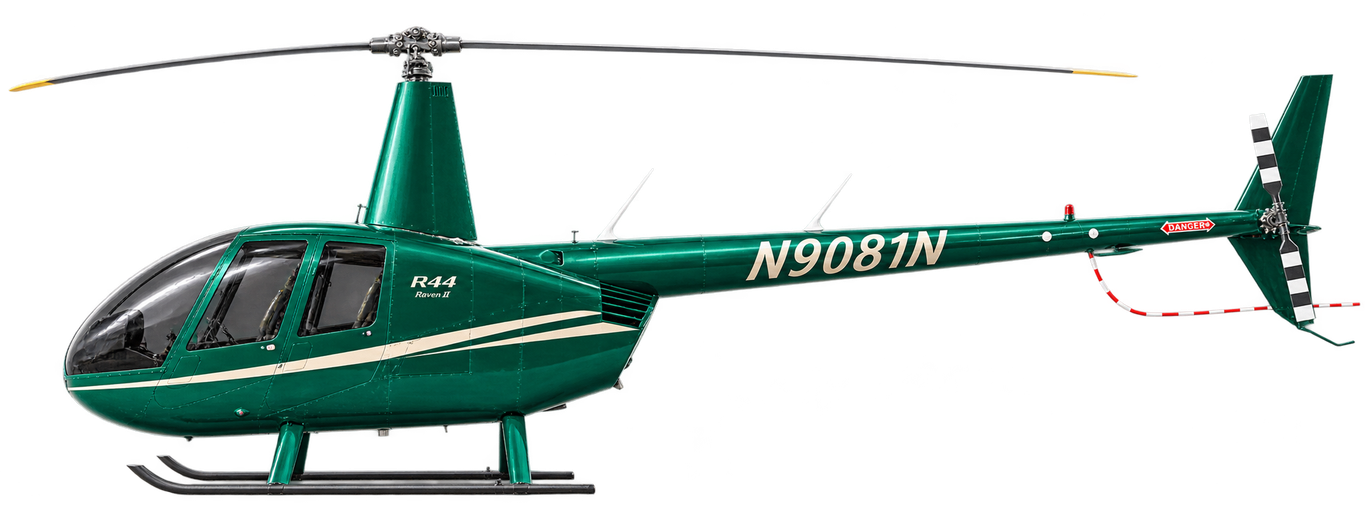
Robinson

16 aircraft

Robinson's piston and turbine light-helicopter family: R22, R44, and R66. Teardrop cabins and two-blade rotors that define training fields and news ships worldwide.
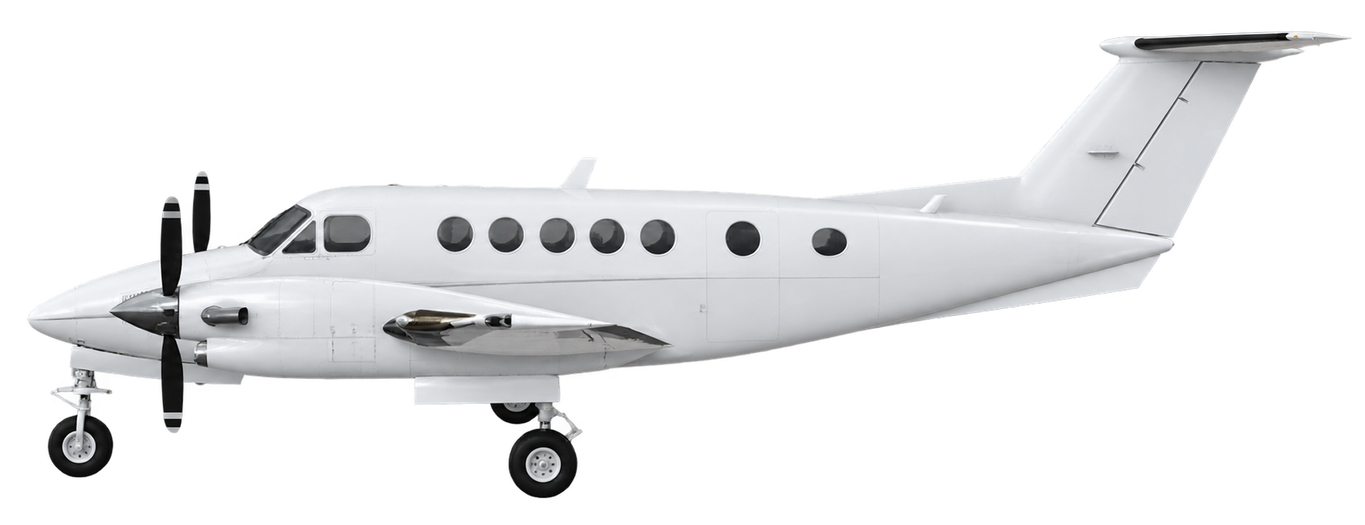
Beechcraft King Air

13 aircraft

Beechcraft's twin-turboprop family that defined the corporate and utility prop. From King Air 90s through 200s and 350s, the T-tail twins are everywhere once you start looking.
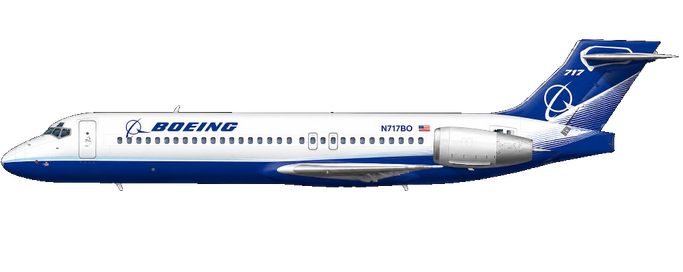
Boeing 717

11 aircraft

Boeing's short-hop narrowbody family with rear-mounted engines and a T-tail. A small but distinctive fleet, easy to pick out at the gate and worth catching while it lasts.
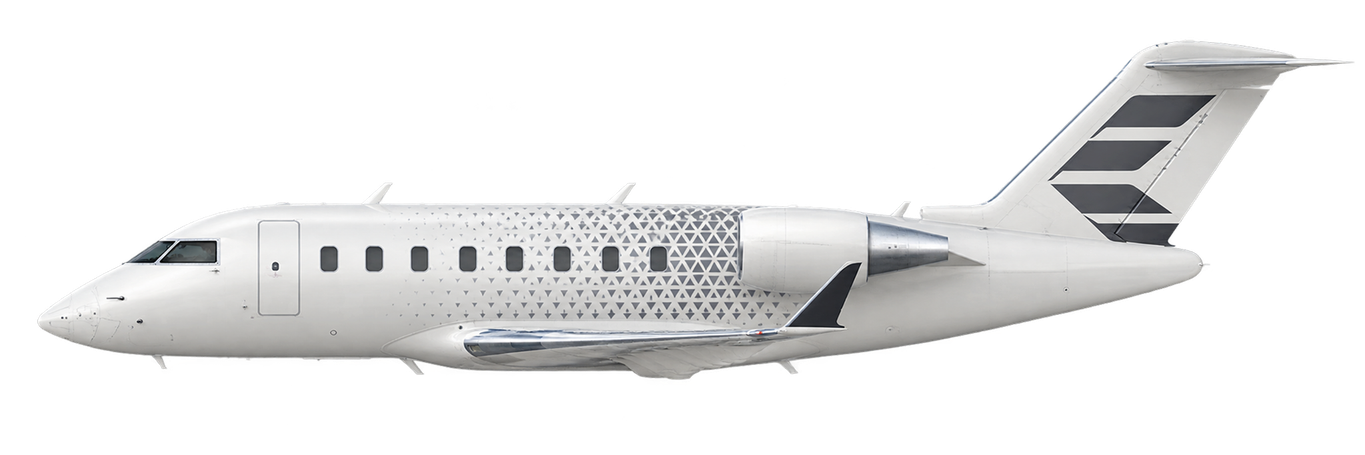
Bombardier Challenger

11 aircraft

Bombardier's mid-size business-jet family, from the original Challenger 600 through today's 300 and 350 lines. A wide-cabin workhorse you'll see on every FBO ramp.
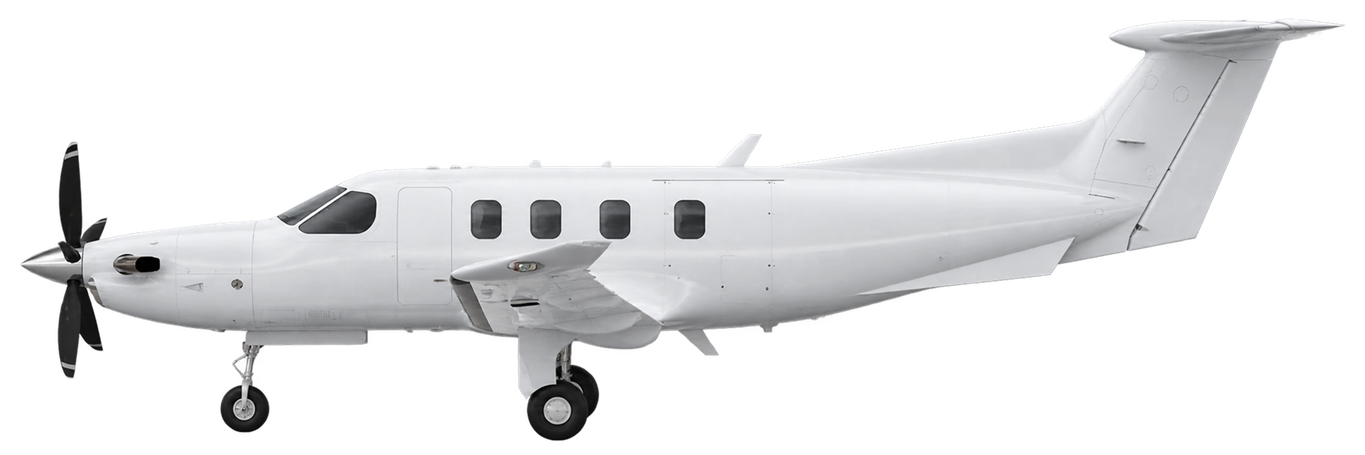
Pilatus PC-12

11 aircraft

Pilatus's single-engine turboprop family: T-tail, huge cargo door, and a Swiss utility reputation. One of the easiest IDs on a general-aviation ramp.
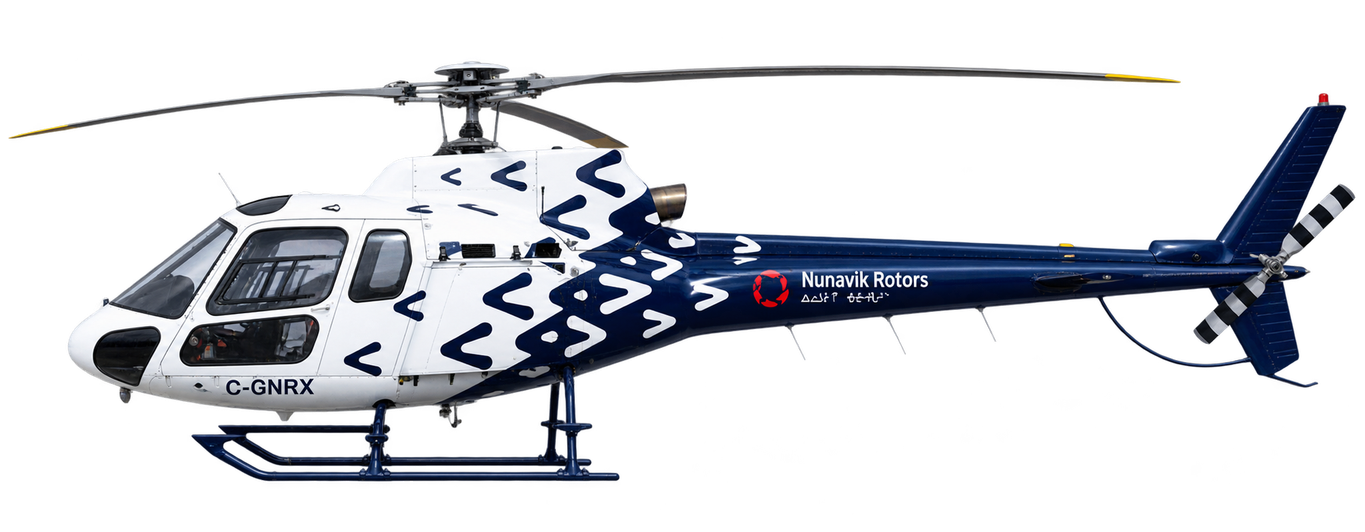
Airbus AS350 / H125

10 aircraft

The Écureuil / AStar / H125 family: a high-skid utility helicopter that became the world's civil workhorse. Firefighting, tours, and mountain flying all wear this silhouette.
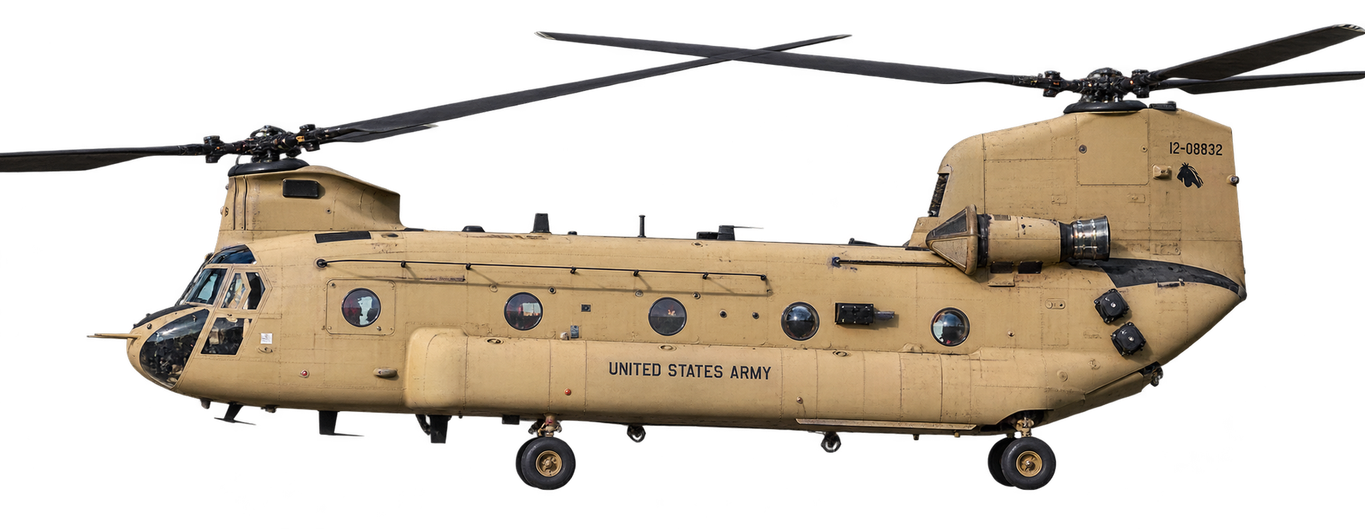
Boeing CH-47 Chinook

10 aircraft

Boeing's tandem-rotor Chinook family. Two rotors, a rear ramp, and a look nothing else on the ramp can fake—still lifting heavy loads after six decades.
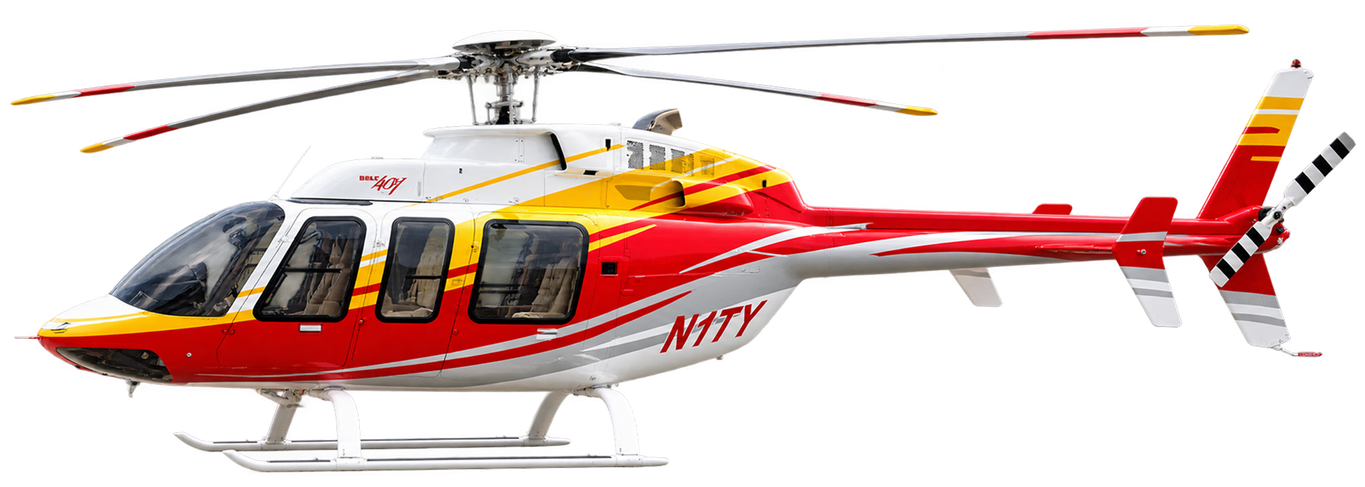
Bell

9 aircraft

Bell's light and medium helicopter family, from the JetRanger and 407 through the 429. Skids, two-blade heritage, and a silhouette you'll know from every TV chase and ranch pad.
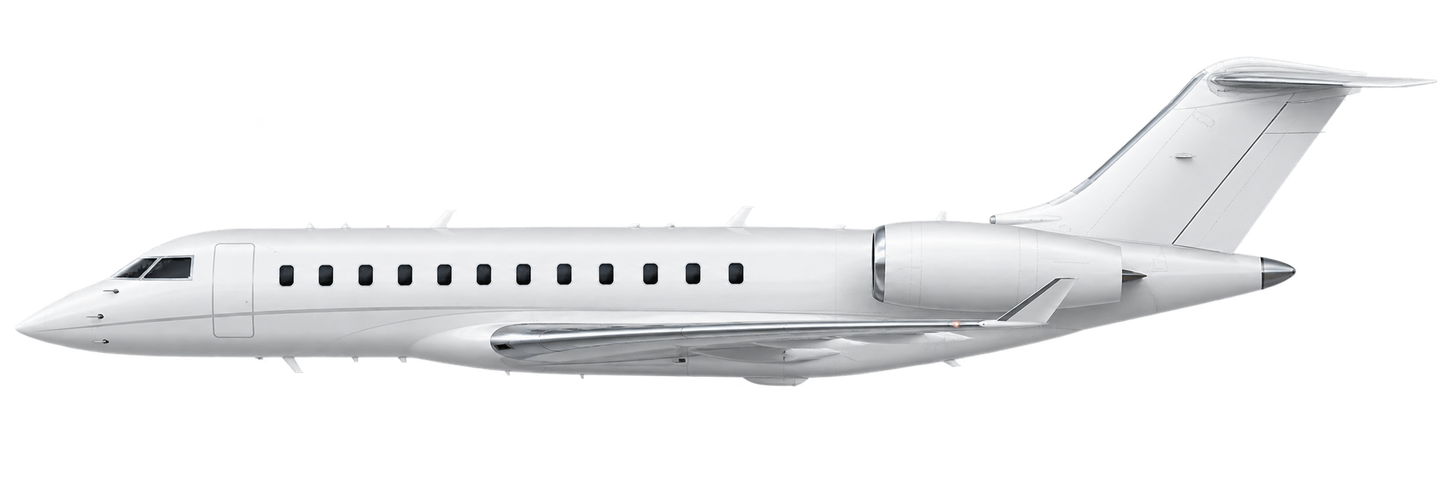
Bombardier Global

9 aircraft

Bombardier's long-range business-jet family, from the original Global Express through 5000, 6000, and 7500. Large-cabin transoceanic jets that share the ramp with Gulfstreams.
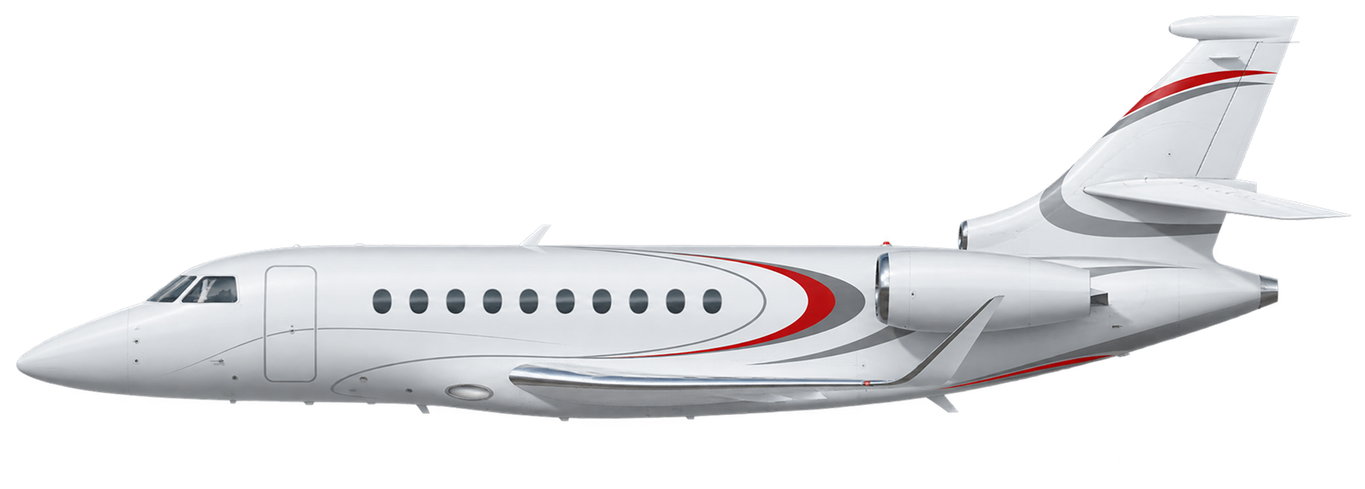
Dassault Falcon

9 aircraft

Dassault's business-jet family, spanning early Falcons through the long-range 7X and 8X. Some wear three engines; all share that distinctive French nose and delta-ish wing.
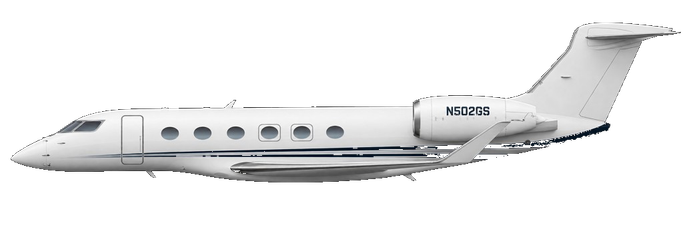
Gulfstream

8 aircraft

The flagship business-jet family for long-range private travel. Generations of sleek, fast cabins from early classics to today's ultra-long-range jets at the pointy end of the ramp.
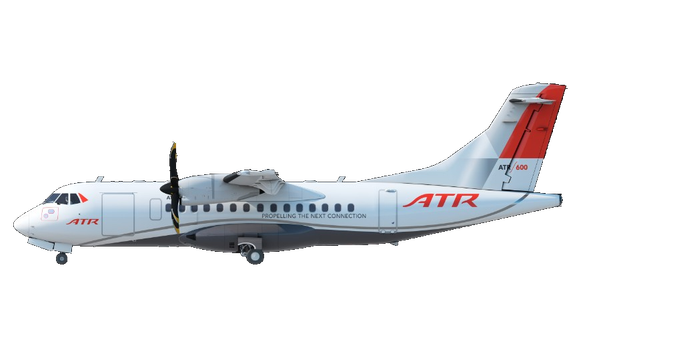
ATR 42

7 aircraft

The smaller ATR turboprop family, built for thin routes and short runways since the 1980s. High wing, big props, and a practical regional silhouette you'll spot feeding hubs worldwide.
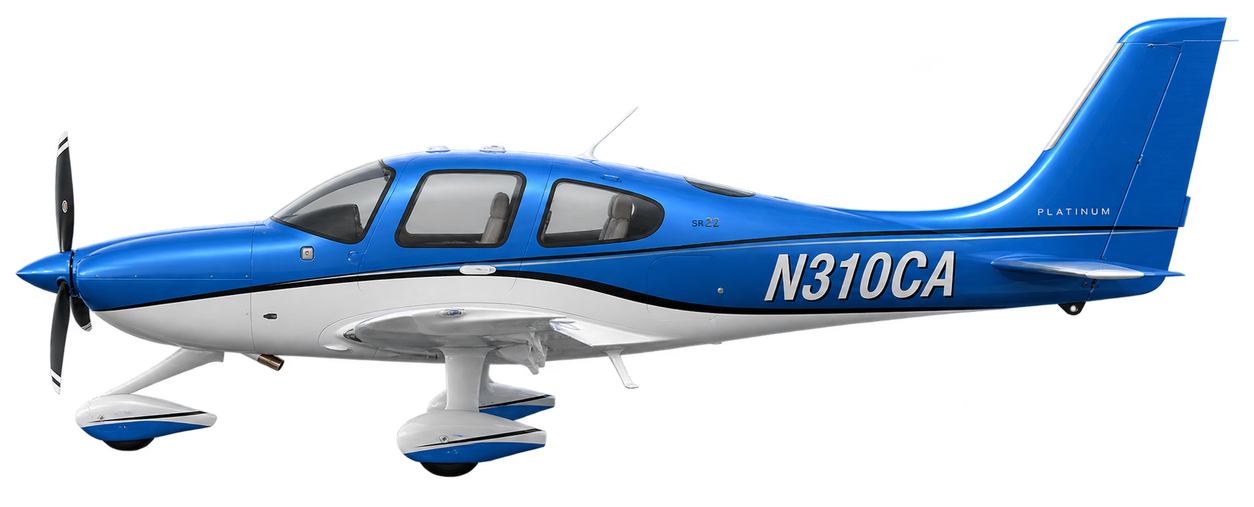
Cirrus SR

7 aircraft

Cirrus's composite piston family with the CAPS airframe parachute and that distinctive cowling. SR20 and SR22 variants dominate modern owner-flown ramps.
Sikorsky H-60

5 aircraft

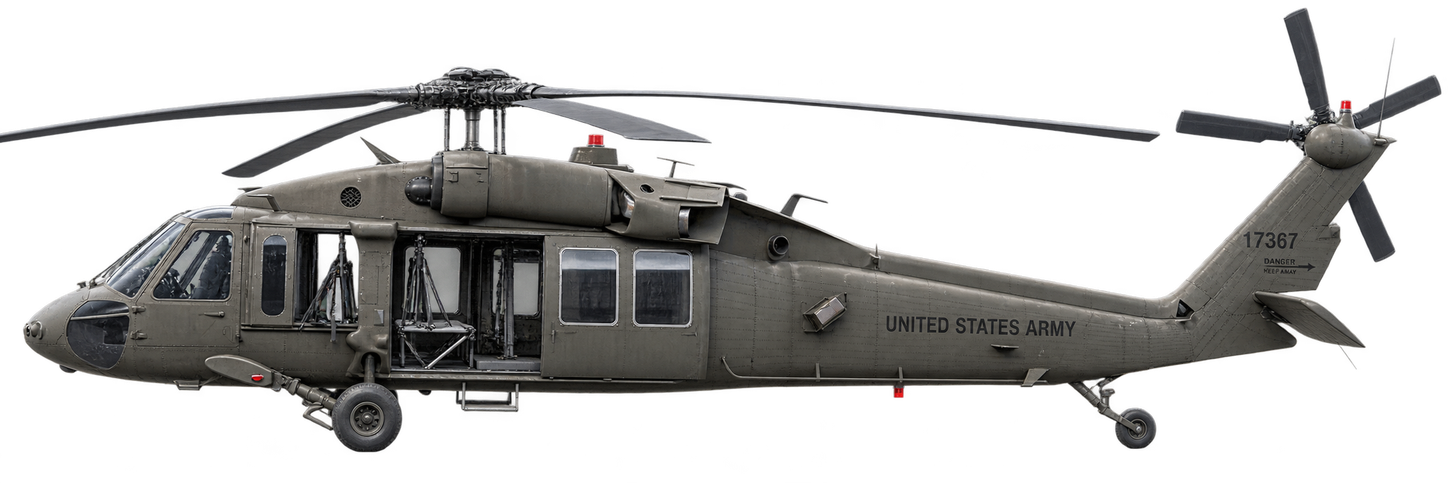
Sikorsky's Black Hawk family: the H-60 line that became the world's default medium military helicopter. Cabin, sponsons, and that unmistakable rotor thump.
McDonnell Douglas MD-11

4 aircraft

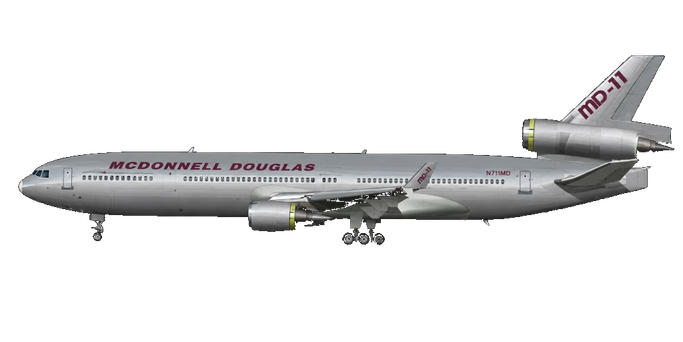
McDonnell Douglas's trijet widebody family, evolved from the DC-10 with a stretched fuselage and wingtip strakes. Passenger fleets are nearly gone; cargo carriers keep the line in the spotlight.
Antonov An-124

2 aircraft

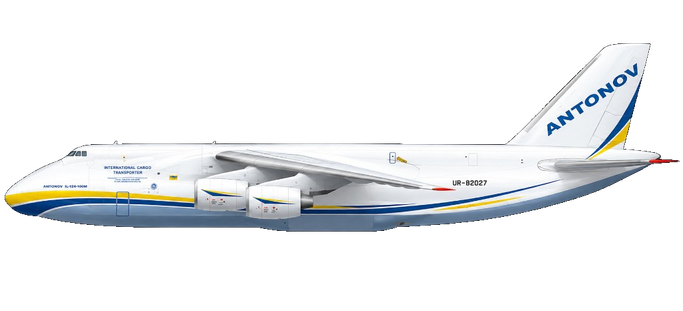
The strategic cargo family built for outsized loads: kneeling gear, a nose that hinges skyward, and room for hardware that will not fit anywhere else. A ramp magnet whenever one appears.
Boeing 727

2 aircraft

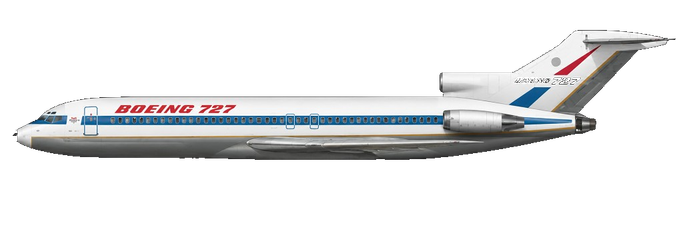
Boeing's trijet family with the built-in airstair, once a staple at short runways and city airports. Production ended long ago, but cargo and specialty operators keep examples in the air.
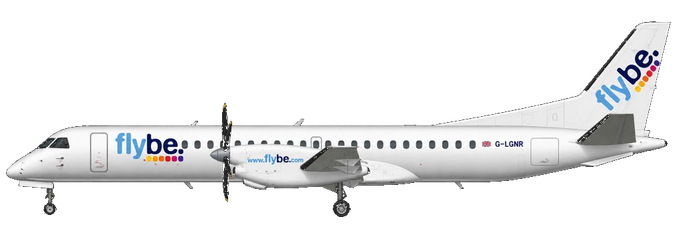
Saab 2000

2 aircraft

Saab's high-speed turboprop family, built in tiny numbers but beloved for its pace. Rare on any ramp; every sighting is a proper spotter's prize.
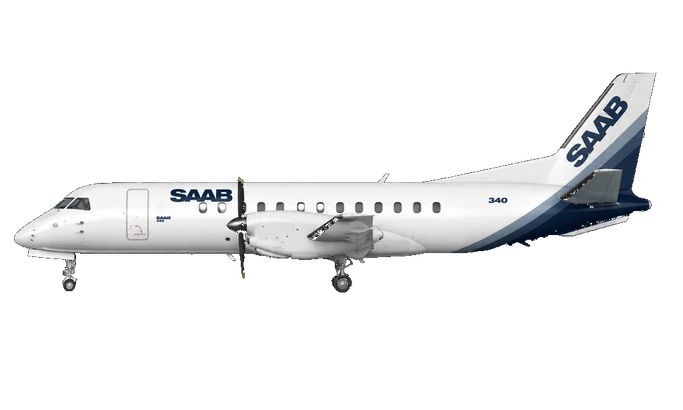
Saab 340

1 aircraft

Sweden's twin turboprop commuter family from the 1980s, built for ~30-seat routes. Getting rarer, but the compact fuselage and straight tail still make a Saab 340 easy to pick out.